
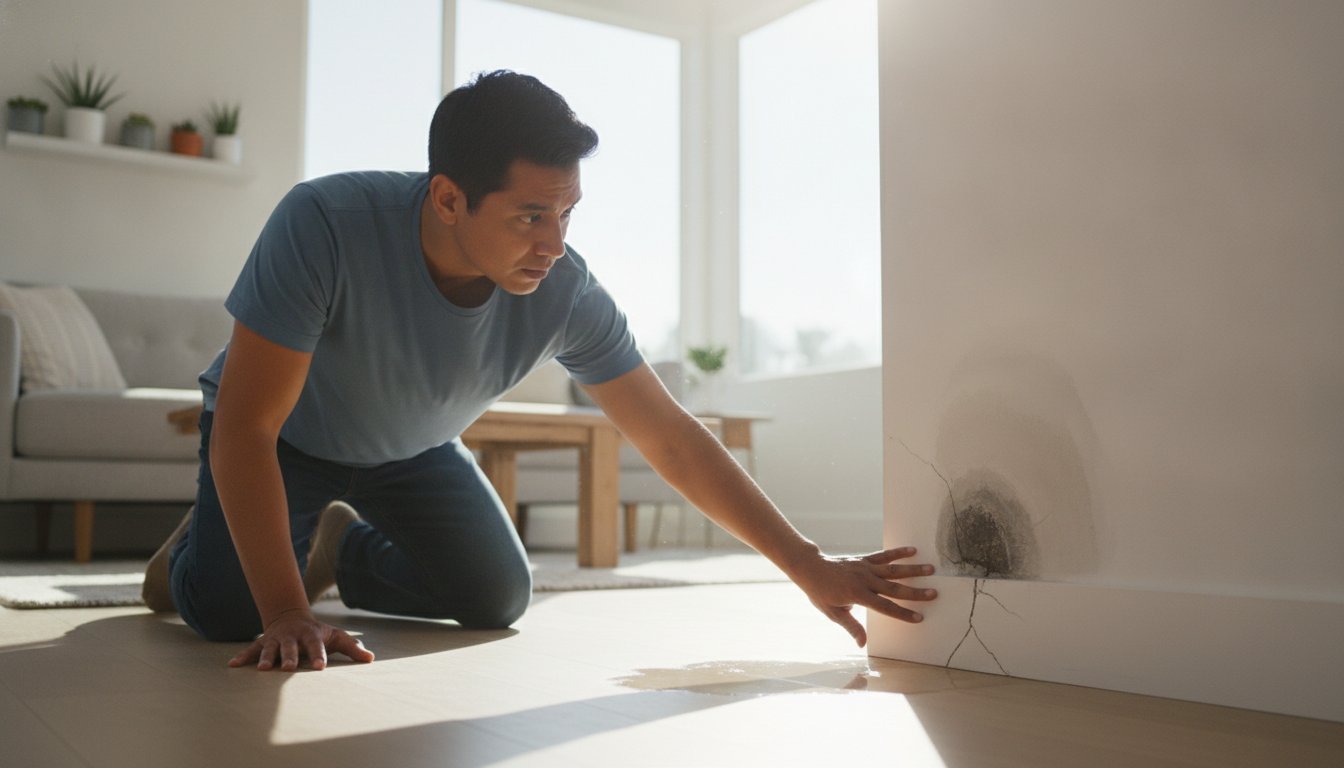
15 Aug Health Risks of Mold From Water Leaks: A Homeowner’s Guide to Prevention
A single plumbing leak isn’t just a maintenance chore; it’s a biological countdown that begins the moment moisture hits your drywall. Within 24 to 48 hours, that dampness can transform into a breeding ground for spores, leading to serious health risks of mold from water leak exposure for your family. It’s understandable to feel concerned when you hear an unexplained drip behind a wall or notice a child’s persistent, unexplained sneezing. You want your home to be a sanctuary, not a source of respiratory distress or anxiety about hidden damage. For individuals dealing with the mental health impact of such environmental stressors, Serene Restoration LLC offers concierge psychiatric care to help restore a sense of peace and well-being.
This guide provides a methodical roadmap to help you understand the specific health dangers triggered by moisture intrusion and the technical steps required to secure your property. We’ll identify common mold-related symptoms, outline the immediate actions you must take to halt growth, and explain how professional air quality testing can restore your peace of mind. By following a structured approach to remediation, you can move from a state of emergency to a feeling of organized resolution. Our goal is to provide the professional clarity you need to protect your home’s environment and your family’s well-being.
Key Takeaways
- Mold begins colonizing within 24 to 48 hours of moisture exposure, making a rapid response critical to your property’s safety.
- Learn to recognize how the health risks of mold from water leak can manifest as persistent respiratory issues or allergic reactions in your household.
- Identify common Southern California mold species, such as Stachybotrys and Aspergillus, and where they typically hide after a pipe failure.
- Discover the essential steps to stop moisture at its source and contain the affected area to prevent cross-contamination.
- Understand why methodical structural drying and HEPA filtration are necessary for a complete recovery rather than a temporary fix.
The Biological Clock: How Water Leaks Trigger Rapid Mold Growth
Every home in Southern California contains microscopic mold spores. They’re a natural part of the ecosystem, floating through open windows and clinging to clothing. These spores remain harmlessly dormant until a “trigger” event occurs. A water leak provides the final missing ingredient: moisture. When water meets a food source in an environment with poor ventilation, a biological process begins. In our local climate, where indoor temperatures often hover in the ideal range for microbial activity, the germination window is remarkably tight. Microbial growth typically initiates within 24 to 48 hours of the initial leak. This rapid onset is why the health risks of mold from water leak exposure can escalate so quickly if the moisture isn’t professionally extracted. Addressing the Mold health issues that stem from this growth requires a technical understanding of how these colonies thrive.
Sudden Bursts vs. Insidious Slow Leaks
The physical profile of a leak dictates the remediation strategy. Sudden bursts, such as a ruptured water heater or a failed supply line, are dramatic and require immediate attention. Because they’re impossible to ignore, homeowners usually initiate water damage restoration quickly, often preventing extensive mold colonization. In contrast, slow, insidious leaks are far more dangerous to your health and property. A small drip from a secondary drain or a window seal failure might only release a few ounces of water daily. This moisture settles behind drywall or under floorboards, creating a pocket of high humidity. This chronic dampness allows mold to establish deep roots without being detected. By the time you notice a soft spot on the ceiling or a discolored baseboard, the health risks of mold from water leak accumulation have likely been present for weeks.
Common Household Materials as Mold Food
Mold requires organic matter to survive, and modern homes are essentially a buffet of nutrients. Materials like drywall, wood framing, and the paper backing on insulation are highly susceptible to infestation. Porous materials act like a sponge, pulling water deep into their core where standard fans can’t reach. This is a primary reason why DIY cleaning often fails. For example, mold behind bathroom tiles hides health risks because it consumes the substrate that supports the wall. While the ceramic tile is resistant to mold, the grout and the adhesive behind it are not. Once the spores penetrate these hidden layers, they can release mycotoxins into the air through small gaps and electrical outlets. A methodical approach to restoration must involve checking these structural components to ensure the environment is truly safe.
Identifying the Specific Health Risks of Mold Exposure
Recognizing the physical signs of exposure is the first step in protecting your household. When spores are inhaled, the body often reacts as if it’s under attack. Common symptoms include persistent sneezing, red or watery eyes, and skin rashes that don’t respond to typical topical treatments. For those with pre-existing conditions, the impact is significantly more severe. Mold exposure is a known trigger for asthma exacerbation and can lead to frequent upper respiratory tract infections. According to the CDC on Mold, individuals with chronic lung disease or compromised immune systems may even develop fungal infections in their lungs after sustained exposure.
The health risks of mold from water leak scenarios are often compounded by the presence of mycotoxins. These are toxic chemical byproducts produced by certain species, such as Stachybotrys chartarum, that can linger in the air or on surfaces long after the initial moisture has been addressed. These substances pose a heightened threat to vulnerable populations, including infants and the elderly, whose systems may struggle to filter out these microscopic irritants. It’s a biological challenge that requires a methodical, technical response rather than a superficial cleaning.
The “Musty Odor” and Indoor Air Quality
That characteristic earthy smell in a Huntington Beach home isn’t just a nuisance; it’s a clear chemical signal. These odors are caused by Microbial Volatile Organic Compounds (mVOCs), which are gases released during the mold’s metabolic process. If growth occurs near or inside an HVAC system, your air ducts can inadvertently distribute these compounds and spores throughout every room. Professional indoor air quality testing is the most reliable way to quantify these invisible threats. This process identifies the exact concentration of spores in your living environment, providing the data needed to create an effective remediation plan.
Long-Term Exposure and Chronic Health Issues
Prolonged exposure can lead to more complex conditions like Chronic Inflammatory Response Syndrome (CIRS). This is a multi-system, multi-symptom illness where the body remains in a state of high alert even after the visible mold is removed. Some homeowners also report neurological impacts, such as “brain fog,” fatigue, or memory issues, specifically associated with prolonged black mold exposure. “Just living with it” is never a safe or viable option for a healthy home. If you suspect your property has an active, hidden leak, a methodical assessment from Coastline Environmental Solutions, Inc. can help you identify the source and protect your long-term health.
Common Mold Species Found After Pipe Leaks in SoCal
Southern California’s coastal climate creates a specific environment for microbial growth. In cities like Long Beach or Huntington Beach, the consistent humidity from the marine layer can keep building materials damp long after a leak is stopped. This salt-heavy, humid air often prevents natural evaporation, allowing spores to settle and germinate more effectively than in more arid regions. This environment supports various species, each with unique characteristics and health implications. Stachybotrys chartarum, often called “black mold,” is perhaps the most notorious. It typically requires constant moisture, such as from a sustained pipe leak or recurring flood, to colonize porous materials like drywall.
Aspergillus and Penicillium are equally concerning but often more elusive. These species frequently thrive in HVAC systems or wall cavities where air movement is restricted. Unlike Stachybotrys, they can grow with less moisture, making them common after minor leaks that were “dried” superficially but not structurally. Cladosporium is another frequent find, often appearing on fabrics, carpets, or area rugs following a localized spill or window leak. It’s vital to understand that visual identification is never enough to determine the EPA Mold and Health risks present. Color does not indicate toxicity; a light-colored growth can be just as hazardous as a dark one. The health risks of mold from water leak exposure depend on spore concentration and the specific species’ metabolic byproducts, not its appearance. A thorough mold inspection and testing process is the only reliable way to accurately identify which species are present and what remediation steps are required.
Hidden Dangers: Mold Under Flooring and Behind Walls
Slab leaks are a frequent challenge in Long Beach homes, where water migrates under the foundation and saturates the flooring from beneath. This creates a hidden environment where mold can spread across large surface areas before it’s ever visible to the naked eye. In these instances, specialized services from Foundation ResQ can be vital for addressing moisture that has compromised the structural base. Similarly, slow leaks under kitchen cabinets foster colonies in dark, stagnant spaces that lack ventilation. To identify these hidden threats, we utilize advanced detection methods like thermal imaging and moisture meters. These tools allow us to see temperature differentials that indicate moisture trapped behind surfaces, ensuring we find the source without unnecessary demolition.
Toxic Mold vs. Common Household Mildew
Distinguishing between surface mildew and structural mold is essential for an effective response. Mildew is typically a surface-level growth that remains on non-porous materials and is often easier to manage with standard cleaning. However, structural mold penetrates deep into the material’s core, requiring a more intensive technical approach. In a professional context, “toxic mold remediation” involves strict containment and HEPA filtration to safely remove hazardous species. For a detailed look at these processes, refer to our Toxic Mold Remediation Guide. Understanding the health risks of mold from water leak situations means recognizing when a simple wipe-down isn’t enough to protect your family’s safety.

Immediate Response: Lowering Risks Before Professionals Arrive
The discovery of a water leak triggers a critical 24 to 48-hour window for biological activity. Your immediate actions determine whether a minor plumbing issue evolves into a widespread environmental hazard. The first priority is always to stop the moisture source. Whether it requires a professional plumber or a simple shut-off valve, the water must cease flowing before any drying can begin. Failing to act quickly increases the health risks of mold from water leak exposure for everyone in the household.
To mitigate these risks, you must isolate the affected area. Close doors and seal gaps with plastic sheeting to prevent spores from migrating. Importantly, turn off your HVAC system. Running your air conditioner or heater can pull spores into the ductwork, distributing them throughout your home. If you have access to a dehumidifier, use it to lower the indoor humidity. Reducing moisture in the air slows microbial metabolism, though you should understand the technical limitations of this approach. For a detailed breakdown of how humidity impacts growth, read our analysis on Can a Dehumidifier Kill Mold? and the truth about dormancy.
The Danger of DIY Bleach Treatments
Many homeowners instinctively reach for bleach to scrub away visible growth. From a technical standpoint, this is often counterproductive. The EPA does not recommend bleach as a routine solution for mold cleanup because it is primarily effective on non-porous surfaces like tile. On porous materials like drywall or wood, the water in the bleach solution penetrates the surface and feeds the mold’s root system. This can actually accelerate growth once the chlorine evaporates. Scrubbing without containment also risks aerosolizing spores, which increases the immediate health risks of mold from water leak scenarios. A methodical approach requires removing the source, not just bleaching the surface.
Safe Handling of Saturated Materials
If you must handle wet items before a team arrives, prioritize Personal Protective Equipment (PPE). Standard safety protocols require an N-95 respirator, goggles, and gloves to minimize direct contact with spores. Avoid the temptation to point high-velocity fans directly at visible mold. While fans help dry clean water, they act as a delivery system for contaminants on moldy surfaces, spreading them into unaffected rooms. For saturated porous items like carpet padding or insulation, the safest course is double-bagging and removal. If the affected area exceeds 10 square feet, professional remediation is necessary to meet safety standards. To ensure your home is properly stabilized, you should schedule a professional water damage assessment as soon as the leak is identified.
Methodical Restoration: Ensuring Long-Term Safety
Professional restoration represents the final transition from emergency stabilization to a permanently healthy living environment. While immediate response efforts focus on containment, the restoration phase addresses the underlying contamination through advanced technical controls. We utilize high-efficiency particulate air (HEPA) filtration and negative air pressure to scrub the environment, ensuring that the health risks of mold from water leak exposure are fully neutralized. These controls are vital during the removal of impacted materials, as they prevent the cross-contamination of unaffected rooms while we physically extract the biological hazard.
True recovery requires structural drying that penetrates far beyond the surface of your drywall. Moisture often migrates into the wall studs and subflooring, where it can remain trapped for weeks after the initial leak is repaired. Our technicians use specialized equipment, including infrared cameras and penetrative moisture meters, to verify that every structural component has reached its specific dry standard. This methodical verification prevents the “rebound” growth that frequently occurs when homeowners attempt to dry a space using only standard household fans or heaters.
The Coastline Remediation Process
Our remediation strategy follows a structured sequence designed to restore your property without compromise. We begin with a detailed site inspection, followed by the establishment of containment zones and the deployment of air scrubbing technology. For residents requiring water damage restoration in Long Beach, we provide a seamless path from moisture extraction to final build-back. The process concludes with independent clearance testing, providing verifiable proof that the indoor air quality meets safety standards. This commitment to transparency is a hallmark of the service provided by Coastline Environmental Solutions, Inc. since 1985.
Preventing Future Mold After a Leak
Once your home is restored, preventing a recurrence involves a combination of technology and environmental management. We recommend installing smart leak detection sensors on secondary drains and supply lines to catch moisture intrusion before it triggers a biological event. Maintaining indoor relative humidity levels below 50% is also essential, particularly in coastal areas where the external humidity is consistently high. If you are concerned about the long-term safety of your property, schedule a professional assessment with Coastline Environmental Solutions, Inc. to ensure your home remains a protected sanctuary for your family.
Securing a Healthy Home Environment
Maintaining a safe indoor environment requires vigilance and a technical response to moisture intrusion. Throughout this guide, we’ve established that the health risks of mold from water leak scenarios are determined by the speed of extraction and the thoroughness of structural drying. Moving from the initial state of emergency to a feeling of organized resolution is only possible when you address the biological threat at its source rather than settling for a cosmetic repair.
Coastline Environmental Solutions, Inc. has spent decades as a dependable local guardian for homeowners in Long Beach and the surrounding communities. Since 1985, our meticulous approach to remediation has helped families return to normalcy with the confidence that their air quality has been professionally verified. By following the methodical roadmap outlined here, you can protect your property from hidden damage and ensure your home remains a sanctuary.
Your family’s well-being depends on a home that’s free from the invisible threats of microbial growth. Trust a partner who is as invested in the outcome as you are. Taking the right steps now ensures a safe, restored environment for years to come.
Frequently Asked Questions
How long after a water leak does mold start to grow?
Mold typically begins to colonize damp surfaces within 24 to 48 hours after water exposure. This rapid germination window means that immediate moisture extraction is the only reliable way to prevent an infestation. If building materials like drywall or insulation remain saturated beyond this timeframe, the environment becomes a breeding ground for spores. Acting quickly is the most effective method to mitigate the health risks of mold from water leak scenarios in your home.
Can mold from a water leak cause permanent health problems?
Prolonged exposure to certain species can lead to chronic respiratory conditions or sensitivities that persist even after the source is removed. For individuals with compromised immune systems or pre-existing asthma, the impact may be more severe. Conditions such as Chronic Inflammatory Response Syndrome (CIRS) involve multi-system symptoms that require medical attention. Professional remediation is designed to lower these risks by ensuring the environment returns to a safe, healthy state for all occupants.
Will a small leak behind the wall go away on its own?
A small leak won’t resolve without professional intervention; instead, it creates a pocket of chronic dampness. This moisture is often trapped in wall cavities where there is no airflow to facilitate natural drying. Over time, this hidden water source allows mold to establish deep roots in the structural wood and drywall. Ignoring a minor drip often results in extensive hidden damage and increased remediation costs as the colony expands behind your surfaces.
What are the first signs of mold-related illness?
The earliest symptoms often mirror common seasonal allergies, such as persistent sneezing, watery eyes, and a stuffy nose. You might also notice skin rashes or a dry cough that seems to improve when you leave the house. These physical reactions are the body’s response to inhaling airborne spores. If multiple family members experience these symptoms simultaneously, it’s a strong indicator that you should investigate your indoor air quality for potential hidden moisture problems.
Is it safe to stay in a house with mold from a leak?
Safety depends on the size of the affected area and the health of the residents. If the contamination is limited to a small, contained space, you may be able to stay in the home during remediation. However, if the HVAC system is compromised or if vulnerable individuals like infants or the elderly are present, temporary relocation is often recommended. A professional assessment can help you determine the specific health risks of mold from water leak exposure in your unique situation.
Can I just paint over mold once the leak is fixed?
Painting over mold isn’t a solution because it merely hides the problem while the roots remain active underneath. Spores can eventually penetrate the new layer of paint or continue to release gases that affect indoor air quality. Standard paint does not have the antimicrobial properties required to kill a colony. A methodical restoration process involves the physical removal of contaminated materials and thorough structural drying to ensure the mold doesn’t return behind the fresh finish.
How do I know if the mold from my leak is toxic?
You can’t determine the toxicity of a species based on its color or appearance alone. While “black mold” is often feared, many other species can produce mycotoxins or cause severe allergic reactions regardless of their hue. The only way to accurately identify the species and its potential danger is through professional mold inspection and testing. This process involves collecting air or surface samples for laboratory analysis to provide a clear picture of the biological threats present.
Does homeowners insurance cover mold remediation after a pipe leak?
Coverage typically depends on the cause of the leak. Most policies cover remediation if the mold resulted from a sudden and accidental peril, such as a burst pipe. However, if the growth is the result of long-term neglect or a gradual leak that went unaddressed, the claim might be denied. It’s important to review your specific policy limits, as many plans have a cap on mold-related expenses, often ranging between $5,000 and $10,000 in Southern California.