
05 Sep Expert Attic Mold Removal in Signal Hill: The Complete Homeowner’s Guide
Did you know that the same coastal breeze that makes Signal Hill such a desirable place to live could be the very thing feeding a hidden colony of mold in your attic? Many homeowners assume a roof leak is the only culprit; however, in our unique microclimate, high humidity and improper ventilation often do the damage. If you’ve discovered dark spotting or a musty odor above your ceiling, the need for professional attic mold removal signal hill residents require becomes a matter of both health and financial urgency. It’s completely natural to feel anxious about the potential for toxic exposure or the high costs of structural repairs.
Coastline Environmental Solutions, Inc. understands that you want a resolution that is thorough rather than a temporary fix. This guide provides a methodical approach to identifying and remediating growth tailored to the specific housing stock of the Long Beach area. We will explore the unique risks associated with the local marine layer, identify hidden moisture sources like improper ventilation, and outline the rigorous professional standards required for a permanent restoration. By following these expert steps, you can restore your home’s indoor air quality and protect its long-term market value with confidence.
Key Takeaways
- Understand how Signal Hill’s unique marine layer creates persistent humidity that fuels fungal growth even in the absence of a direct roof leak.
- Identify the “hidden” causes of moisture accumulation, such as bathroom exhaust fans that improperly vent warm, moist air directly into your attic space.
- Learn why professional attic mold removal in Signal Hill is necessary to eliminate roots in porous wood that common household cleaners like bleach cannot reach.
- Discover how a certified remediation process protects your property value and ensures full compliance with California’s strict real estate disclosure laws.
- Recognize the importance of hiring a local specialist certified in mold, asbestos, and lead to safely manage the multi-hazard environments often found in older coastal homes.
Understanding Attic Mold Risks in Signal Hill’s Coastal Climate
Attic mold is more than a simple stain on a rafter; it’s a living fungal organism that thrives when trapped moisture meets organic food sources. In our local area, the wood framing and paper-faced insulation in your crawlspace provide the perfect cellulose-rich diet for these colonies. While many people associate mold with major floods, the necessity for attic mold removal signal hill properties require often arises from subtle, persistent environmental factors. Mold spores are opportunistic. They remain dormant until they find a damp, dark environment, at which point they colonize and spread across your home’s structural bones.
Homeowners in the 90755 area typically encounter specific varieties like Aspergillus, which often appears as powdery white or green patches, or the more concerning Stachybotrys chartarum. Understanding Indoor Mold is essential for recognizing that while these fungi exist naturally outdoors, they become a significant property risk when they concentrate in an enclosed attic. Once established, these colonies can compromise wood integrity and impact the air you breathe in the living spaces below.
The Marine Layer and Attic Condensation
Signal Hill’s proximity to the Pacific Ocean introduces a persistent “marine layer” that creates a unique challenge for attic health. During a process known as night radiation, your roof’s surface temperature drops rapidly after the sun goes down. As moist ocean air is drawn into attic vents, it contacts these cool wood surfaces and transitions from a gas to a liquid. This nightly cycle of dampness creates the exact conditions that lead to attic mold removal signal hill services are designed to address. The dew point is the specific temperature at which the air becomes saturated and can no longer hold its water vapor, resulting in the condensation that fuels fungal growth.
Why Signal Hill Geometry Matters
The prominent topography of the Hill creates localized wind patterns that directly affect how your home breathes. Homes situated on the windward slopes often face higher wind pressure, which can force moist air into soffit vents more aggressively than in flatland neighborhoods. If your home sits in a “wind shadow” or a lower elevation pocket, stagnant air may fail to circulate, preventing the cross-ventilation needed to exhaust humidity. Because these factors vary significantly based on your specific street and elevation, professional Indoor Air Quality Testing is a vital step in identifying hidden moisture traps. Successful attic mold removal signal hill residents trust requires a methodical approach that accounts for these coastal dynamics, ensuring that once the remediation is complete, the environment is no longer hospitable to future growth.
Identifying the Root Causes of Attic Mold in Southern California
Structural failures often catalyze the growth patterns discussed in the previous section. While the marine layer provides the moisture, a roof leak provides the volume necessary for deep saturation. Common points of failure include degraded flashing around chimney stacks, missing shingles, or failed underlayment in roof valleys. When these entry points allow rainwater to reach the cellulose of your rafters, the specialized process of attic mold removal signal hill homeowners must undergo becomes a structural necessity. These leaks don’t just dampen the wood; they create a consistent food source that allows fungal colonies to expand rapidly into the insulation.
Internal moisture generation is frequently overlooked. Many Signal Hill properties feature bathroom exhaust fans that vent directly into the attic space rather than through a dedicated roof jack. This mistake dumps gallons of warm, moist air into a cool environment, leading to rapid germination. This issue is often exacerbated by over-insulation. When homeowners add thick layers of fiberglass to improve energy efficiency, they frequently block the soffit vents. This obstruction prevents fresh air from entering, which traps humidity and makes attic mold removal signal hill services the only way to restore a healthy environment.
Ventilation Failures and Airflow Stagnation
Attic health depends on a balanced “stack effect,” where warm air rises and escapes through ridge vents while pulling cooler air in through the soffits. If this cycle is interrupted by blocked baffles or inadequate venting, the air becomes stagnant. These stagnant pockets turn into incubators where mold spores thrive on the wood sheathing. To prevent a recurring issue, you must ensure that your ventilation system is optimized before concluding the remediation. Following the EPA Mold Cleanup Guidelines ensures that you aren’t just treating the symptoms but are correcting the underlying airflow deficiencies that lead to attic mold removal signal hill projects.
Plumbing and HVAC Contributions
Mechanical systems within the attic can also introduce moisture. Attic-mounted HVAC units have condensate drain lines that can clog, causing overflow pans to leak directly into the ceiling insulation. Similarly, uninsulated ductwork may “sweat” during the summer months, creating localized damp spots. Even a slab leak in the lower levels of a home can contribute to whole-house humidity that eventually rises and condenses in the attic. Identifying these mechanical triggers is a core part of attic mold removal signal hill assessments. If you suspect your attic has become a breeding ground for fungi due to these hidden leaks, consulting a specialist for mold remediation is the most reliable way to protect your home’s structural bones.
The Professional Mold Remediation Process: Why DIY is Not Enough
Attempting a DIY cleanup of attic mold often does more harm than good. Many homeowners reach for household bleach, but this is a significant mistake for porous surfaces like attic rafters. Bleach is composed mostly of water. While it may remove visible surface staining, the water penetrates deep into the wood grain, essentially feeding the hyphae, or roots, of the fungus. This ensures the colony returns, often more aggressively than before. Professional attic mold removal in Signal Hill requires a methodical approach that addresses the mold at its source while protecting the rest of the property from contamination.
In Signal Hill, where many homes were built in the mid-20th century, the risks of a DIY approach are even higher. Older attics often contain hidden hazards like vermiculite insulation that may harbor asbestos or vintage coatings containing lead. Disturbing these materials without proper certification can create a secondary environmental crisis. A seasoned expert doesn’t just look for mold; they assess the entire attic ecosystem to ensure that the remediation process doesn’t release other toxic particulates into your home’s air supply.
Containment and Cross-Contamination Prevention
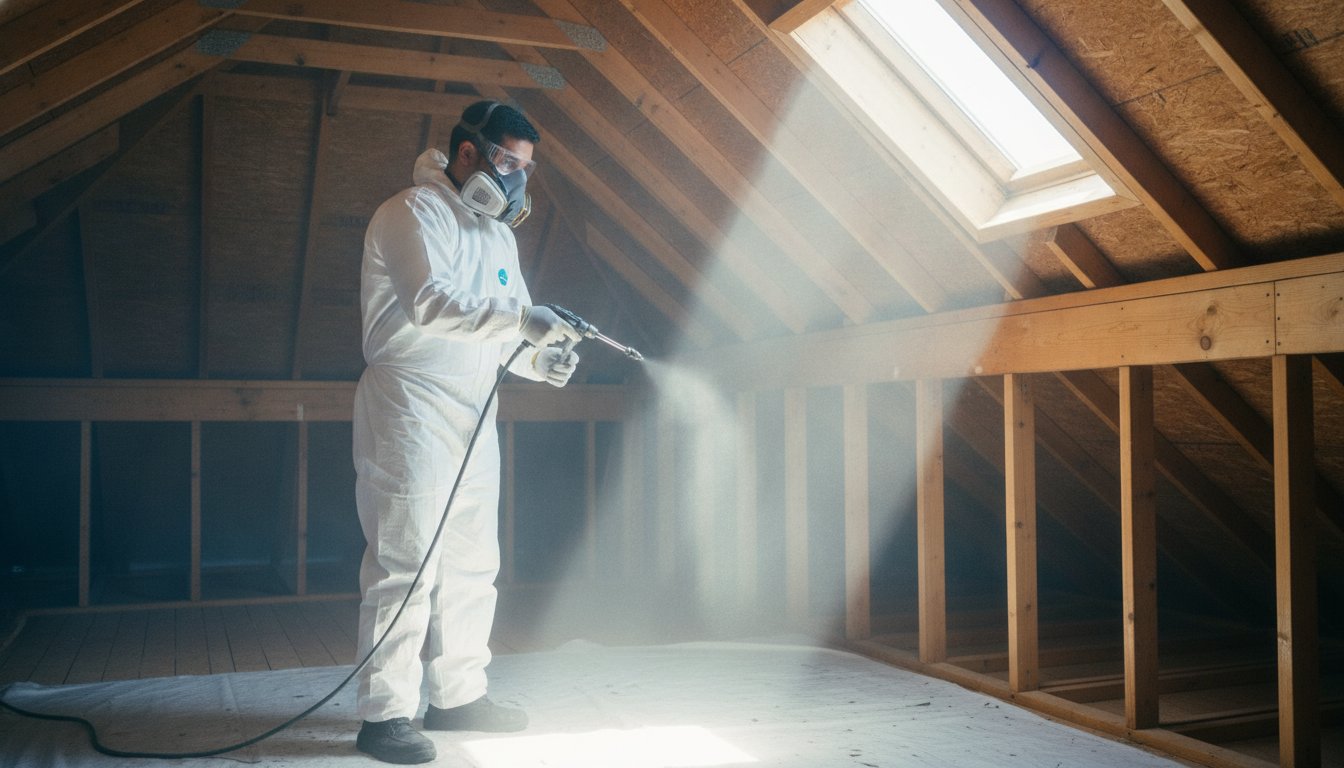
Protecting the living space below the attic is the highest priority during the remediation process. We establish strict containment using 6-mil polyethylene sheeting and “zipper doors” to seal off the attic access point. Industrial air scrubbers are then deployed to create negative air pressure. This ensures that any spores disturbed during the cleaning process are pulled through HEPA filters rather than drifting into bedrooms or hallways. Physical removal of infested insulation is mandatory because mold spores can remain trapped deep within the fibers, serving as a dormant reservoir for future outbreaks. Following the EPA guide on mold and moisture helps ensure that the environment is fully stabilized before any new materials are installed.
Methodical Cleaning and Media Blasting
Once containment is secure, the structural cleaning begins. While some contractors still rely on manual wire brushing, we utilize advanced abrasive cleaning methods like media blasting to strip mold from wood surfaces without damaging the integrity of the beams. This is followed by a detailed HEPA vacuuming of all surfaces to capture fine particulates. For cases involving aggressive fungal varieties, following a specialized guide to Toxic Mold Remediation is essential for total safety. The final step involves applying EPA-registered antimicrobial treatments and encapsulants. These specialized coatings seal the wood and provide a long-term moisture barrier, making it nearly impossible for new spores to take hold. This methodical sequence is the only way to guarantee a permanent solution for attic mold removal in Signal Hill.

Protecting Your Investment: The Long-Term Impact of Mold Remediation
Owning a home in Signal Hill is a significant financial commitment. While the immediate focus of attic mold removal in Signal Hill is often family health, the long-term impact on your property’s structural and resale value is equally critical. Mold isn’t just a surface issue; it’s a biological agent that actively consumes the cellulose in your home’s framing. If left unaddressed, what begins as a minor fungal patch can transform into a costly structural restoration project that complicates future property transfers.
Structural Integrity and Wood Decay
Certain fungal species prevalent in coastal California can lead to “white rot” or “brown rot” within your attic’s rafters and joists. These organisms secrete enzymes that break down the lignin and cellulose that give wood its strength. Over time, this process causes the timber to become brittle, cracked, or “punky,” significantly reducing its load-bearing capacity. The cost of replacing structural roof members is substantially higher than the cost of early-stage remediation. Additionally, damp, moldy wood often attracts wood-destroying organisms like termites or carpenter ants, creating a multi-front assault on your home’s bones. Methodical cleaning and the application of encapsulants are essential steps to halt this decay and reinforce the wood’s surface.
Resale Value and Documentation
California real estate laws are stringent regarding the disclosure of hazardous conditions. During a home inspection in the 90755 area, a trained inspector will prioritize the attic space. Evidence of past mold growth without professional documentation can derail a sale or lead to heavy price concessions during escrow. A “handyman fix” or a DIY bleach application lacks the technical validation that buyers and lenders require. By choosing professional attic mold removal in Signal Hill, you receive a detailed remediation file. This record proves that the root cause was identified, the environment was contained, and the growth was professionally neutralized. This level of transparency builds trust with future buyers and protects your equity.
To ensure your attic remains a healthy, mold-free environment post-remediation, we recommend following this maintenance checklist:
- Inspect roof flashing and shingles annually for signs of wear or wind damage.
- Monitor attic humidity levels using a hygrometer; aim to keep levels below 50%.
- Verify that all bathroom and kitchen exhaust fans vent through the roof, not into the attic.
- Keep soffit vents clear of insulation or debris to maintain a constant flow of fresh air.
The final step in any authoritative restoration is “clearance testing.” This involves hiring an independent third-party industrial hygienist to perform air and surface sampling after the work is done. This objective verification ensures the spore counts in your attic are within normal environmental limits. If you’re ready to secure your property’s future and restore its air quality, you can schedule a professional mold assessment today to begin the recovery process.
Comprehensive Environmental Solutions for Signal Hill Homeowners
Coastline Environmental Solutions has anchored the Signal Hill and Long Beach community since 1985. Over these four decades, we’ve developed a deep understanding of the local housing stock and the specific environmental stressors that affect our coastal properties. We aren’t just a national franchise; we’re local guardians who understand that a mold problem is a high-stakes crisis for any property owner. We provide a methodical, long-term resolution that addresses the root cause of moisture rather than just the visible symptoms. Because fungal growth is often triggered by sudden plumbing failures or storm-related roof leaks, we maintain 24-hour emergency response availability. Rapid intervention is the most effective way to minimize the scope of attic mold removal in Signal Hill.
The Coastline Advantage: Beyond Just Mold
Many older homes on the Hill feature building materials from eras when hazardous substances were common. If your project involves disturbing old insulation or textured coatings, you need a team that holds specialized certifications in mold, asbestos, and lead abatement. Hiring a single, integrated provider for Asbestos Removal and mold remediation saves you from the logistical headache of coordinating multiple contractors. This “calm professional” approach ensures that all safety protocols are synchronized, protecting your family from overlapping environmental risks. Our meticulous restorer mindset means we handle the complex technical details so you can focus on returning to a normal, healthy life.
Getting Started with a Signal Hill Attic Assessment
The road to a healthy home begins with a meticulous attic assessment. When our inspector arrives at your property, they don’t just look for visible growth. They use advanced thermal imaging and moisture meters to map out hidden dampness within your insulation and wall cavities. We believe in absolute transparency throughout the process. Our estimating system provides a clear, line-item breakdown of the required containment, drying, and cleaning steps. From the initial inspection to the final third-party clearance, we act as your dependable partner through the entire process of attic mold removal in Signal Hill. If you’re ready to start your journey toward a mold-free home, reaching out for a professional local consultation is the first step toward reclaiming your property’s safety and market value.
Restore Your Home’s Safety and Market Value
Securing your property against the unique environmental challenges of the Long Beach area requires a methodical approach that goes beyond surface cleaning. You now understand that effective attic mold removal in Signal Hill depends on identifying climate-driven moisture, correcting ventilation failures, and documenting the remediation process for future buyers. By prioritizing a professional solution over a temporary fix, you protect your home’s structural integrity and ensure your family breathes clean air.
Coastline Environmental Solutions has acted as a dependable local guardian since 1985. Our team maintains specialized certifications in mold, asbestos, and lead abatement, ensuring we can handle the complex hazards often found in older coastal attics. With our 24/7 emergency restoration response, we provide the steady hand needed to navigate property crises with precision and care.
Schedule Your Professional Attic Mold Assessment with Coastline Environmental Solutions today. We are committed to providing the thorough, long-term results you need to return your home to a state of normalcy and health.
Frequently Asked Questions
Is attic mold common in Signal Hill homes?
Yes, attic mold is quite common in Signal Hill due to our proximity to the Pacific Ocean. The nightly marine layer creates high humidity levels that often settle in poorly ventilated attic spaces. Because the temperature drops rapidly at night, condensation forms on the underside of roof sheathing. This cycle of dampness provides the ideal environment for fungal growth, even in homes without active roof leaks or plumbing failures.
Can attic mold make my family sick if we don’t go into the attic?
Mold spores can absolutely impact your indoor air quality even if you never open the attic hatch. Homes act like chimneys, pulling air from the lowest points up through the top in a process called the stack effect. Spores can migrate into your living areas through recessed lighting, HVAC vents, or gaps in the ceiling. If you have concerns about respiratory health, professional attic mold removal in Signal Hill is a necessary step to secure your home’s air supply.
How much does professional attic mold removal cost in Southern California?
Professional remediation costs vary significantly based on several technical factors rather than a flat rate. The total scope is determined by the square footage of the affected area, the type of insulation being removed, and the accessibility of the space. Additionally, because many Signal Hill homes were built before 1980, the presence of asbestos or lead can increase the complexity of the project. We provide detailed, line-item estimates after a physical inspection of the property.
Does homeowners insurance typically cover mold in the attic?
Coverage for attic mold depends entirely on the underlying cause of the moisture. Most standard homeowners insurance policies cover mold if it results from a sudden and accidental peril, such as a burst pipe or a fallen tree damaging the roof. However, mold caused by long-term humidity, poor maintenance, or gradual seepage is typically excluded. It’s best to review your specific policy endorsements with your agent to understand your coverage limits for environmental restoration.
How long does the attic mold remediation process take?
A standard project for attic mold removal in Signal Hill typically requires three to five business days to complete thoroughly. The first day is dedicated to establishing containment and negative air pressure. Subsequent days involve the physical removal of contaminated materials, abrasive cleaning of structural wood, and the application of antimicrobial encapsulants. We also factor in drying time for any saturated timbers to ensure the moisture content is below 15% before new insulation is installed.
Can I stay in my home while the attic is being remediated?
Most homeowners choose to remain in their residence while we work. Our technicians install heavy-duty, 6-mil polyethylene containment barriers and utilize industrial air scrubbers to ensure that no dust or spores escape the work zone. These zipper doors and negative pressure systems keep the living spaces completely isolated from the attic. If you have severe allergies or chemical sensitivities to cleaning agents, you might consider staying elsewhere for the duration of the active cleaning phase.
What is the difference between mold removal and mold remediation?
Mold removal is simply the physical act of cleaning visible growth, whereas mold remediation is a comprehensive, multi-step process. Remediation involves identifying the moisture source, containing the area to prevent cross-contamination, and chemically treating the wood to prevent future germination. Our goal is to return the fungal ecology of your attic to normal levels. This methodical approach ensures that we don’t just hide the problem but actually solve the environmental imbalance that allowed the mold to thrive.
How can I prevent mold from returning to my attic after it’s been cleaned?
Prevention centers entirely on moisture control and proper airflow. You should regularly inspect your roof for damaged shingles and ensure your bathroom exhaust fans aren’t venting directly into the attic space. It’s also vital to keep your soffit vents clear of insulation by using baffles. This allows the coastal breeze to circulate through the space, keeping the wood dry. Maintaining a consistent temperature balance prevents the condensation that fuels most mold outbreaks in our local climate.