25 Aug Sewage Backup Cleanup in Long Beach: The Emergency Restoration Checklist
Imagine walking into your bathroom or laundry room to find a dark, foul-smelling pool spreading across the floor. It is a moment of pure panic where the overwhelming stench is only matched by the fear of permanent structural damage and hidden pathogens. When you’re facing a crisis like this, professional sewage backup cleanup Long Beach homeowners and businesses can trust becomes an immediate necessity. You know that every minute the waste sits, it’s seeping deeper into your subflooring and compromising your environment.
We understand that you’re likely feeling overwhelmed by the health risks and the technical complexity of a potential insurance claim. It’s a high-stakes situation that requires a methodical, expert response rather than a DIY approach. Follow this professional checklist to safely manage a sewage emergency and restore your property with Long Beach’s leading biohazard experts. We’ll guide you through the essential containment steps, the specific safety protocols required for Category 3 black water, and how to document the restoration process to satisfy your insurance provider’s strict duty to mitigate requirements.
Key Takeaways
- Identify the vital first steps to take during a drainage crisis, from immediate evacuation to shutting off water lines to stop the spread of biohazards.
- Discover why professional sewage backup cleanup Long Beach specialists are required to manage Category 3 “black water” and its associated pathogens like E. coli and parasites.
- Learn about the industrial extraction and “flood cut” techniques that experts use to remove saturated materials and protect your building’s structural health.
- Explore the science behind hospital-grade disinfection and odor neutralization methods that ensure your home or business returns to a healthy, breathable environment.
- Understand the importance of choosing a local partner with 24/7 availability and deep expertise in hazardous material management to navigate the restoration process.
Emergency Sewage Backup Checklist: Immediate Action for Long Beach Homeowners
A sewage backup is a critical emergency that requires immediate, methodical action to protect your health and property. When you encounter standing wastewater, your first priority is safety, not salvage. Evacuate the affected area immediately. Wastewater often contains Category 3 ‘Black Water’, which carries dangerous pathogens, bacteria, and viruses that can become airborne or spread through direct contact. Don’t let children or pets near the site, as the microbial load is highest in the first few hours of the event.
Next, you must stop the inflow of water. Shut off the main water supply to the building and ensure no one flushes toilets or uses sinks. Any additional water entering the drainage system will only exacerbate the backup. It’s also vital to turn off your HVAC system. Central air and heating can pull foul odors and microscopic contaminants into the ductwork, spreading the biohazard to unaffected rooms. Once the site is stable, contact a specialist for sewage backup cleanup Long Beach residents trust, and notify your insurance provider to begin the claims process. Prompt notification is essential because most California policies include a “duty to mitigate,” requiring you to take reasonable steps to prevent further damage.
The Long Beach Safety Check: Cross Bores and Gas Leaks
In Long Beach, unique infrastructure risks like cross bores require special attention. A cross bore occurs when a new utility line, such as a gas pipe, is accidentally installed through an existing sewer lateral. If you use a mechanical root cutter or “snake” to clear a blockage, you risk rupturing a gas line. Always check for signs of a leak, such as hissing sounds, bubbling water, or a sulfur like “rotten egg” smell near cleanouts. Contact Long Beach Utilities for a safety confirmation before attempting any mechanical drain clearing. Using a professional for sewage backup cleanup Long Beach ensures these local utility risks are handled with the necessary technical precision.
Personal Protective Equipment (PPE) Essentials
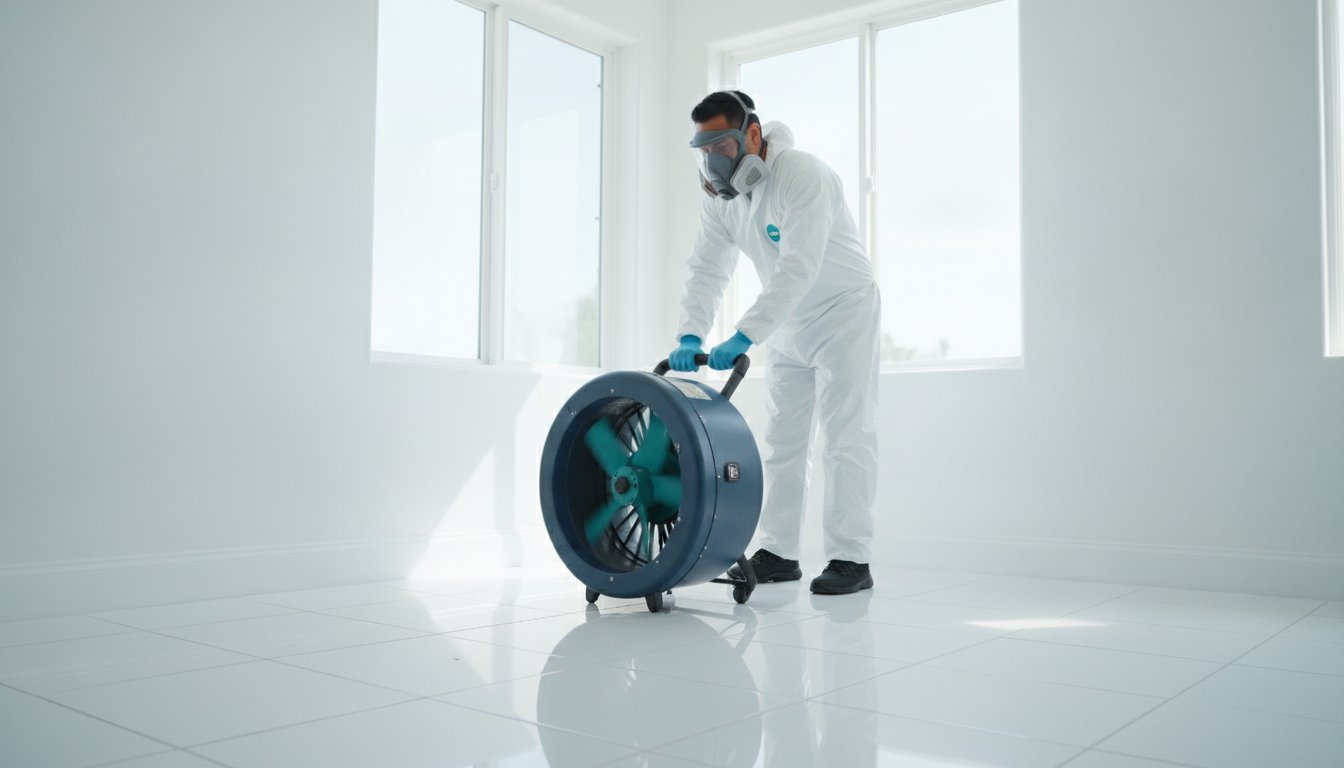
Don’t attempt to enter the contaminated zone without professional grade protection. Standard household cleaning gloves are porous and provide zero defense against the heavy microbial load found in sewage. If you must enter the area briefly, you need waterproof rubber boots, heavy duty nitrile gloves, and an N95 respirator to filter out airborne pathogens. If any sewage makes contact with your skin, wash the area immediately with antimicrobial soap and warm water. Professional teams utilize full body Tyvek suits and full face respirators to ensure total isolation from these hazards during the restoration process.
Identifying the Hazards: Why Category 3 ‘Black Water’ Requires Professional Containment
Category 3 water, commonly known as ‘black water,’ represents the highest level of contamination in the restoration industry. The IICRC defines this as liquid that is grossly contaminated and contains pathogenic agents. The EPA explains the health risks inherent in these spills, which often harbor dangerous bacteria like E. coli, viral threats such as Hepatitis A, and various intestinal parasites. These organisms don’t just stay in the water; they can become airborne or settle into the very fabric of your property. This makes sewage backup cleanup Long Beach a specialized biohazard operation rather than a simple janitorial task.
A critical challenge in these projects is the management of porous materials. Items like carpet, padding, drywall, and fiberglass insulation act as sponges for biological waste. Unlike a standard water leak from a clean pipe, these materials cannot be adequately sanitized once they have absorbed raw sewage. They must be professionally removed and disposed of as regulated waste to prevent long-term health hazards. If these materials are left in place, the trapped moisture and organic nutrients lead to rapid secondary damage, specifically microbial growth that spreads behind walls and under subflooring.
Biohazard Containment Protocols
To prevent the spread of contaminants, our technicians establish strict ‘hot zones’ using heavy-duty plastic sheeting and physical barriers. This containment ensures that pathogens do not migrate to clean areas of your home or office during the cleanup process. We also employ HEPA air scrubbers to capture airborne particulates and bio-aerosols during the demolition phase. If the drying process is delayed or containment is breached, the situation often escalates, requiring specialized toxic mold remediation to restore safety to the structure.
Indoor Air Quality Risks
The foul odors associated with sewage are more than just a nuisance; they are indicators of volatile organic compounds (VOCs) and microscopic particulates. These bio-aerosols can settle in your air ducts and upholstered furniture, lingering long after the visible waste is gone. Our team utilizes advanced filtration and neutralizing agents to address these risks at the source. To confirm that your home is truly restored, we often suggest professional indoor air quality testing as the final step in our verification process. Our experts are ready to help you navigate this crisis with the specialized sewage backup cleanup Long Beach residents depend on for total property recovery.
The Professional Sewage Extraction and Removal Checklist
Once the area is contained, the physical process of sewage backup cleanup Long Beach shifts to high volume extraction. Our teams utilize industrial grade submersible pumps and heavy duty vacuums to remove standing liquid and bulk solids quickly. This speed is essential because standing wastewater compounds damage at a rate of roughly $40 per hour as it permeates deeper into the building’s skeleton. During this phase, technicians perform detailed documentation, creating moisture maps and taking comprehensive photo evidence. These records are vital for your insurance claim, proving the extent of the loss and the necessity of each restoration step.
We then perform a methodical inventory and pack out. This involves categorizing every item in the affected zone as either salvageable or non-salvageable. We follow strict industry standards stating that porous materials saturated with Category 3 water must be discarded to ensure occupant safety. This includes items like upholstered furniture and standard carpet padding, which cannot be reliably sanitized. By removing these items early, we prevent the “wicking” effect that allows contaminants to travel up walls and into unaffected rooms.
Structural Assessment and Demolition
The most critical part of the removal process is the “Flood Cut.” Technicians remove drywall at least 12 to 24 inches above the high water mark to inspect wall cavities and subfloors for trapped waste. We also remove saturated baseboards and tack strips, as these are primary breeding grounds for bacteria. In many older neighborhoods across Long Beach, we must pause to test for hazardous materials. If your property was built before the late 1970s, professional asbestos removal is often a legal and safety prerequisite before we can disturb the drywall or flooring. We ensure all demolition is handled with precision to protect the structural integrity of your property.
Handling Contaminated Contents
Content restoration follows the “hard surface” rule. Non-porous items like metal, glass, and some hard plastics can often be saved through rigorous, multi stage sanitization. However, textiles and upholstery usually require specialized care. High value textiles, for instance, may be eligible for professional area rug cleaning services that utilize deep immersion and antimicrobial treatments. Any materials that cannot be certified safe are handled as biohazardous waste. We manage the disposal process in strict accordance with California state regulations, ensuring that contaminated debris is transported and processed at authorized facilities to maintain community safety during the sewage backup cleanup Long Beach process.

Sanitization, Deodorization, and Structural Drying Protocols
After removing the bulk waste and saturated materials, the focus shifts to microscopic decontamination. Our technicians apply EPA-registered, hospital-grade disinfectants and broad-spectrum antimicrobials to every remaining inch of the affected area. This is a methodical biohazard neutralization process, not a simple surface cleaning. It’s designed to eliminate the invisible pathogens that persist after the visible waste is gone. For permanent odor neutralization, we utilize thermal fogging or industrial ozone treatment. These technologies break down the odor-causing molecules at a molecular level, ensuring the building doesn’t just look clean, but smells clean as well. To finalize the sewage backup cleanup Long Beach, we deploy an array of high-velocity air movers and LGR (Low Grain Refrigerant) dehumidifiers. These industrial machines work in tandem to pull moisture from deep within the subfloors and wall cavities.
The 48-Hour Mold Prevention Window
Speed is the most critical factor in preventing secondary damage. We prioritize reaching dry standards within a strict 48-hour window. If the structural components remain damp beyond this point, dormant fungal spores will likely activate and begin to colonize. Our team performs daily monitoring using specialized moisture meters, including both penetrating and non-penetrating models, to track our progress toward specific “dry goals.” We also monitor the relative humidity of the air. By keeping the humidity below 50%, we create an environment that is hostile to mold growth. This precision is necessary to preserve the structural integrity of your property’s framing and prevent the need for more invasive repairs later.
Final Sanitization and Clearance
Once the drying is complete, we perform a final, comprehensive wipe-down of all non-porous surfaces. This “white glove” phase includes a visual inspection for any remaining particulates and a final check of the air quality. We don’t consider the job done until the environment is certified safe for occupancy. We provide every homeowner with a detailed certificate of completion. This document serves as proof for your insurance provider and future buyers that the restoration was handled according to professional standards. If you need immediate assistance with a residential or commercial crisis, reach out to the experts in sewage backup cleanup Long Beach homeowners trust for a methodical recovery.
Why Coastline Environmental is Long Beach’s Trusted Sewage Cleanup Partner
Coastline Environmental Solutions has operated as a steady hand for the local community since 1985. We provide the specialized sewage backup cleanup Long Beach property owners need when a system failure threatens their safety. Our crews are stationed locally in the Long Beach and Signal Hill area, enabling a 24/7 emergency response that is often the difference between a minor repair and a total structural loss. Because we understand the specific nuances of Southern California architecture, from historic homes with raised foundations to modern commercial complexes, we can implement containment and extraction strategies that are tailored to your building’s unique requirements.
Our approach combines the technical precision of a hazardous material specialist with the empathy of a neighbor. We recognize that a sewage event is a traumatic experience that disrupts your daily life and peace of mind. By integrating our plumbing expertise with advanced environmental remediation, we offer a single-source solution that manages the crisis from the initial overflow to the final clearance testing. This comprehensive care ensures that every pathogen is neutralized and every structural component is verified dry, returning your property to a safe and habitable state.
Direct Insurance Billing and Support
Navigating the complexities of an insurance claim while managing a biohazard emergency is a significant burden. We offer direct insurance billing and support to streamline this process for our clients. Our technicians provide the detailed documentation, moisture maps, and “proof of loss” reports that adjusters require to approve a claim. By acting as a professional liaison, we help reduce the administrative and financial stress on the property owner. This ensures that the restoration follows industry standards without the homeowner having to manage the technical communication with the carrier alone.
A Commitment to Environmental Safety
Our commitment to environmental safety is rooted in our extensive background with asbestos, lead, and mold abatement. This specialized knowledge allows us to maintain a higher standard of containment than standard cleaning companies. We utilize eco-friendly yet highly effective sanitization products that protect your family and the local environment without compromising on microbial kill rates. When you need a meticulous restorer who is as invested in your property’s long-term health as you are, our team is ready to respond. Contact Coastline Environmental for 24/7 Emergency Sewage Cleanup and let us handle the technical recovery of your home or business.
Restoring Safety and Peace of Mind to Your Long Beach Property
Managing a sewage emergency requires more than just a quick response; it demands a methodical approach to biohazard containment and structural preservation. You now understand that Category 3 water presents significant health risks that standard cleaning cannot address. By prioritizing professional extraction and adhering to the 48-hour drying window, you can prevent secondary issues like toxic mold and permanent structural decay. These steps are essential for protecting both your family’s health and your property’s long-term value.
When you face the chaos of a backup, you don’t have to navigate the technical recovery or insurance complexities alone. Coastline Environmental Solutions has been serving the community since 1985, providing the expert sewage backup cleanup Long Beach residents depend on for thorough restoration. Our certified biohazard remediation specialists and 24/7 emergency response crews are ready to act as your steady hand during a crisis. We are committed to returning your environment to a certified safe condition with precision and care. Request Emergency Sewage Cleanup in Long Beach Now and take the first step toward a full recovery.
Frequently Asked Questions
Is a sewage backup covered by my standard Long Beach homeowners insurance?
Standard homeowners insurance policies in California often exclude sewage backups unless you have a specific “Water Backup and Sump Overflow” endorsement. It’s vital to review your policy details before a crisis occurs. Most carriers also require you to fulfill a “duty to mitigate,” which means you must hire professional sewage backup cleanup Long Beach specialists immediately to stop further damage. Delaying this professional response can lead to a partial or full denial of your claim.
How long does the professional sewage cleanup process usually take?
The entire restoration process typically takes between three and seven days. The first 24 hours focus on emergency extraction and the removal of contaminated porous materials like carpet and drywall. This is followed by a critical drying phase that lasts 48 to 72 hours. Our technicians perform daily monitoring of moisture levels to ensure the structure reaches equilibrium before we certify the area as safe for reconstruction or re-occupancy.
Can I stay in my home during the sewage remediation process?
Staying in the property is generally not recommended if the backup has affected living spaces. Category 3 water contains dangerous pathogens that can become airborne during the cleanup and demolition phases. Additionally, the industrial air movers and dehumidifiers required for structural drying are loud and create significant heat. For your safety and comfort, it is best to vacate the area until the final sanitization and clearance testing are complete.
What are the most common causes of sewer line backups in Long Beach?
The most frequent causes include tree root intrusion into aging lateral lines, heavy coastal rain overwhelming municipal systems, and the accumulation of fats, oils, and grease in the pipes. For properties utilizing on-site waste systems, regular maintenance from experts like Lil’ Stinky Septic Service can prevent catastrophic backups caused by tank overflows. In certain Long Beach neighborhoods, infrastructure risks like cross bores from gas line installations can also trigger blockages. Identifying these issues early through regular lateral inspections can prevent a high-stakes biohazard emergency from occurring in your home or business.
Category 2 water, often called “gray water,” contains significant contamination from sources like dishwasher or washing machine overflows. Category 3 water, or “black water,” is grossly contaminated and contains pathogenic agents from sewage or rising floodwaters. While Category 2 requires careful sanitization, Category 3 is a serious biohazard. This level of damage necessitates full personal protective equipment, regulated disposal of all saturated porous materials, and hospital-grade disinfection protocols.
How do I know if my sewage backup was caused by a city line or my own lateral?
If multiple drains in your home are backing up simultaneously, or if sewage is overflowing when you aren’t running any water, the problem is likely in the city’s main line. If the backup is isolated to a single toilet or sink, the blockage is probably within your private lateral. You can contact Long Beach Utilities for a safety confirmation to determine the source and check for potential infrastructure risks like cross bores.
Can sewage odors be permanently removed from a property?
Yes, professional restoration teams can permanently eliminate odors through molecular neutralization. We don’t simply mask the scent; we use advanced technologies like thermal fogging or ozone treatments to break down the odor-causing molecules at their source. When combined with the thorough removal of contaminated materials and professional sewage backup cleanup Long Beach sanitization standards, these methods restore your indoor air quality to a neutral, healthy, and breathable state.
What should I do if sewage comes up through my shower drain?
Stop using all water in the house immediately and avoid flushing any toilets. This is a biohazard emergency that requires you to evacuate the bathroom and keep pets and children away from the area. Don’t attempt to use liquid drain cleaners, as they won’t neutralize pathogens and can damage your pipes. Contact a certified restoration specialist to perform a methodical extraction and sanitization to ensure your bathroom is safe for use again. For those requiring a professional plumbing assessment to fix the root cause of the backup, you can learn more about Simple Plumbing Inc and their reliable 24/7 services.