
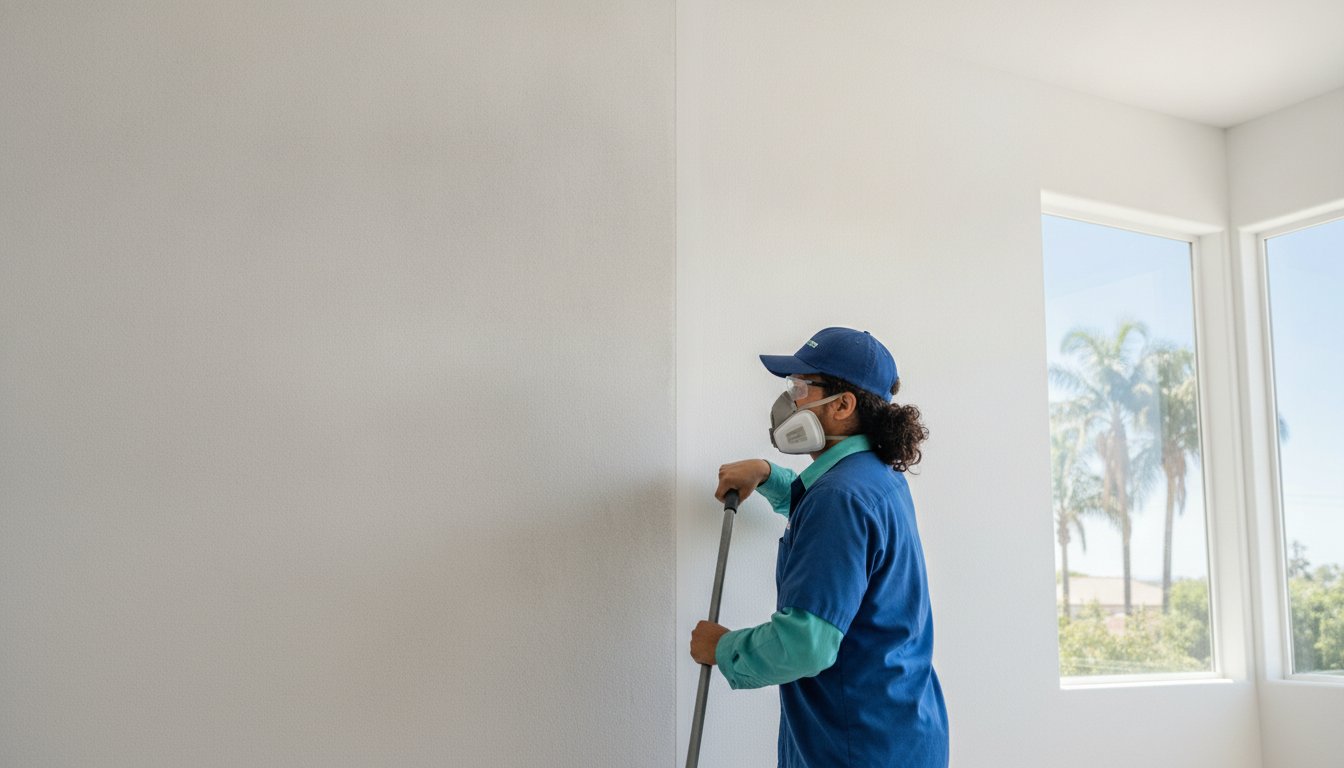
06 Sep Professional Fire Smoke Odor Removal in Long Beach: The Complete Recovery Guide
Most people think a deep scrub and some fresh air will clear the scent of a fire, but the truth is that smoke isn’t just a smell; it’s a complex chemical residue that bonds to your property on a molecular level. You’ve likely spent days scrubbing walls and airing out rooms only to find that the acrid, heavy scent returns the moment you close the windows. It’s exhausting to deal with persistent headaches and the constant anxiety that invisible toxic particles, known as VOCs, are still lingering in your upholstery and drywall.
We understand that you’re looking for more than a temporary fix; you need a return to normalcy and a home that feels safe again. This guide will show you the professional science and methodical steps required for permanent fire smoke odor removal in Long Beach, ensuring your property is truly restored to a healthy state. We’ll walk through the latest ANSI/IICRC S700 standards, the critical importance of the first 48 hours after a fire, and the advanced technology used to neutralize odors at their source. By following a structured recovery plan, you can move from the chaos of a disaster to the peace of mind that comes with certified air quality and insurance-compliant documentation.
Key Takeaways
- Act within the first 48 hours to prevent acidic soot from causing permanent etching on metal, glass, and stone surfaces.
- Professional fire smoke odor removal in Long Beach requires molecular neutralization to reach particles smaller than 0.1 microns embedded in porous building materials.
- Understand why advanced technologies like thermal fogging and hydroxyl generators are necessary to reach the deep pores where standard cleaning fails.
- Follow a logical sequence of assessment and containment to prevent cross-contamination and ensure a permanent return to clean air quality.
- Combine specialized fire restoration with indoor air quality testing to ensure your property isn’t just clean, but safe for long-term habitation.
The Critical First 48 Hours: Fire and Smoke Damage in Long Beach
When the flames are extinguished, the clock begins a secondary chemical reaction that’s often as destructive as the fire itself. Fire damage isn’t limited to what’s physically charred; it’s a complex combination of acidic soot and volatile organic compounds (VOCs) that continue to settle long after the site is cleared. For homeowners, professional fire smoke odor removal in Long Beach is a time-sensitive necessity because these residues are highly corrosive. Within minutes, soot can discolor porous materials. Within hours, it can cause permanent etching on glass, metal, and stone surfaces that might otherwise have been saved.
The “invisible” threat is perhaps the most dangerous aspect of post-fire recovery. Even if a room looks clean to the naked eye, it may still be environmentally hazardous. Microscopic particulates and VOCs can linger in the air and deep within wall cavities, triggering respiratory issues and persistent headaches. Following professional disaster restoration standards is the only way to ensure these hidden toxins are fully neutralized rather than just masked by fragrances.
Soot Acidity and Material Degradation
Soot is more than just a black powder; it’s a chemically active byproduct of incomplete combustion. When it reacts with the natural moisture in the air, it creates an acidic residue that’s particularly aggressive toward electronics and appliances. The type of soot dictates the cleaning strategy. Dry soot, resulting from fast-burning wood or paper, is often easier to remove if addressed quickly. Oily soot, which comes from burning plastics or synthetic fabrics, creates a smeary, difficult-to-clean film that requires specialized chemical degreasers. In Long Beach coastal homes, soot acidity acts as a corrosive catalyst that accelerates the degradation of high-end finishes and structural metals when exposed to salty, humid air.
Long Beach Climate and Odor Retention
Our local climate plays a significant role in how smoke behaves inside a property. The marine layer and general coastal humidity create a “wicking” effect, where moisture in the air helps smoke particles penetrate deeper into the pores of drywall, wood framing, and upholstery. This moisture makes the odor more persistent and harder to reach with standard cleaning methods.
There’s also a high risk of secondary damage when firefighting efforts are involved. Water used to douse the flames can quickly lead to mold growth if it’s trapped in the same areas where smoke has settled. This is why our team integrates fire recovery with expert water damage restoration in Long Beach. Addressing both issues simultaneously ensures that the structural integrity of your property is preserved while the air quality is restored to a certified, healthy standard.
The Science of Smoke: Why Persistent Odors Require Molecular Treatment
Smoke isn’t just a visible cloud; it’s a complex aerosol consisting of solids, liquids, and gases. During a fire, heat creates significant pressure that drives these microscopic particles, often smaller than 0.1 microns, deep into the structural pores of your building. This is why a simple surface wipe-down never works. These particles are accompanied by Volatile Organic Compounds (VOCs), which are the chemical source of that persistent, heavy “burnt” odor. These compounds don’t just sit on the surface; they embed themselves into the very fabric of your home, creating a reservoir of odor that releases slowly over time as temperatures and humidity levels fluctuate.
Many homeowners attempt to use candles, incense, or aerosol sprays to manage the smell. These are merely masking agents that add more particulates to the air without addressing the chemical source. To achieve true fire smoke odor removal in Long Beach, you must neutralize the VOCs at a molecular level through professional intervention. Following official advice on What To Do After The Fire Is Out can help with immediate safety and basic cleaning, but permanent deodorization requires specialized equipment that can reach where sprays cannot.
Porous vs. Non-Porous Surface Remediation
Materials like drywall, insulation, and unfinished wood act as sponges for smoke. Their porous nature allows odors to become “baked in” during the high-heat phase of a fire, making them incredibly difficult to treat with standard household cleaners. Textiles present an even greater challenge because their fibers provide a massive surface area for soot to cling to. Carpets and furniture fabrics trap soot deep within their weave, requiring specialized extraction methods to prevent permanent staining. For high-value or delicate items, utilizing professional area rug cleaning services is often the only way to save your investment from permanent odor retention.
Indoor Air Quality (IAQ) After a Fire
The health risks of lingering smoke are significant and often underestimated. Fine particulates stay suspended in the air long after the flames are extinguished, leading to persistent respiratory irritation or more severe long-term complications. While smoke particles can be smaller than 0.1 microns, industrial-grade HEPA filters utilize a combination of interception and diffusion to capture these ultra-fine particulates that would otherwise remain suspended in your breathing zone. To ensure your home is genuinely safe for your family, conducting comprehensive indoor air quality testing is a vital step in the recovery process. If you suspect your air quality has been compromised, a professional environmental assessment can identify hidden hazards before they impact your health.
Evaluating Restoration Methods: Thermal Fogging, Ozone, and Hydroxyl
Successful restoration depends on selecting the correct technology for the specific fire type and the materials affected. Professional deodorization isn’t a one-size-fits-all process; it’s a technical response to chemical contamination. For instance, a protein fire involving kitchen grease requires a different approach than a wood-based structural fire. To achieve permanent fire smoke odor removal in Long Beach, technicians utilize specialized equipment designed to neutralize odors at a molecular level rather than simply covering them up.
Thermal fogging is a heavy-duty solution that mimics the heat and pressure of the original fire. By heating a specialized deodorizer into a fine mist, we can drive neutralizing agents into the same microscopic pores where the smoke particles originally settled. Ozone treatment, on the other hand, involves the use of O3 gas. This highly reactive molecule chemically breaks down carbon-based odor sources. While ozone is incredibly effective for broad-spectrum deodorization in large residential or commercial spaces, it requires the property to be completely vacated. Hydroxyl generators offer a safer, though slower, alternative. These units use UV light and ambient moisture to create hydroxyl radicals that scrub the air and surfaces, and they can often be used while people are still present in the building.
Strategic Selection: Thermal Fogging vs. Ozone
We choose thermal fogging for deep structural penetration or when dealing with the heavy, oily residues left by protein fires. Ozone is typically reserved for non-specific odors that have permeated an entire floor. Safety is our primary concern during these processes. DIY ozone machines available to the public are often under-regulated and can be dangerous if used incorrectly. In neighborhoods like Lakewood and Cerritos, we’ve seen homeowners attempt to use these machines without proper ventilation, leading to damaged electronics and respiratory distress. Professional protocols ensure that high-concentration ozone is contained and then properly dissipated before anyone re-enters the space.
The Necessity of HEPA Air Scrubbing
While fogging and gas treatments neutralize odors, they don’t physically remove the soot particles that have already settled. This is where industrial HEPA air scrubbing becomes essential. These machines are designed to capture 99.97% of particles as small as 0.3 microns, effectively “cleaning” the air of the physical debris that gas treatments cannot kill. We typically run these scrubbers for 24 to 72 hours following the initial remediation phase. This step is critical for maintaining compliance with environmental safety standards and ensuring that the indoor air quality is fully restored for the long term.

A Step-by-Step Guide to Professional Smoke Odor Removal
Restoring a property after a fire requires more than just a thorough cleaning; it demands a disciplined, multi-phase protocol to ensure that residues don’t migrate to unaffected areas. A professional restoration follows a logical sequence designed to eliminate the physical, chemical, and environmental layers of damage. Without this structured approach, homeowners often find that odors return weeks later as temperatures shift. To achieve permanent fire smoke odor removal in Long Beach, we implement a four-phase recovery plan that moves from immediate containment to final safety verification.
- Phase 1: Assessment & Containment. We identify the specific type of fire residue and seal off unaffected rooms using high-grade plastic barriers and pressure differentials to prevent cross-contamination.
- Phase 2: Structural Cleaning. This phase focuses on the physical removal of soot and char from all surfaces, including ceilings, walls, and the interior of the HVAC system.
- Phase 3: Molecular Neutralization. Once the physical soot is gone, we utilize the technologies discussed previously, such as thermal fogging or hydroxyl generators, to address the chemical odor trapped in pores.
- Phase 4: Final IAQ Verification. The process concludes with indoor air quality testing to provide empirical proof that the environment is safe for your family to return.
Soot Removal and Surface Decontamination
Removing soot is a delicate process that requires specialized tools. Using standard household cleaners often causes soot to “smear,” driving the acidic oils deeper into the paint or drywall. We utilize dry chemical sponges to lift soot from surfaces without the use of water, followed by industrial HEPA vacuums to capture loose particulates. A critical part of this stage involves the HVAC system. Because smoke is drawn into the return vents during a fire, the entire duct network acts as a reservoir for odors. Professional air duct cleaning is a non-negotiable step in the restoration process; otherwise, the moment you turn on your heater or air conditioner, you will recirculate smoke particles throughout the home.
Content Cleaning and Pack-Out Services
We approach your belongings with the mindset of a meticulous restorer. Not every item can be saved, especially if it has been exposed to extreme heat or heavy VOC saturation. We perform a detailed evaluation to determine which items are restorable and which must be discarded for safety. For textiles, electronics, and high-value furniture, we often recommend off-site specialized restoration. Our team manages the entire property inventory during this recovery process, carefully documenting every item moved for insurance purposes. This organized “pack-out” ensures that your valuables are cleaned in a controlled environment while the structural work continues at your property. If you need immediate assistance with your recovery plan, our team can provide a comprehensive restoration assessment to get your project started correctly.
Restoring Safety and Value: Why Long Beach Trusts Coastline
Coastline Environmental Solutions has operated as a dependable local guardian for Southern California property owners since 1985. We understand that a fire is one of the most stressful events a homeowner can face, which is why we prioritize a steady hand and a methodical approach to every project. For over four decades, we’ve served Long Beach, Seal Beach, and San Pedro with a commitment to technical precision and environmental safety. Our team doesn’t just aim for a quick fix; we’re dedicated to a thorough, long-term solution that restores the health of your indoor environment.
Our dual expertise in fire and smoke damage repair and environmental abatement ensures a safer result for your family. We utilize science-backed protocols that address the molecular reality of smoke rather than just the visible soot. This level of technical detail doesn’t just satisfy our high standards; it provides the insurance-compliant documentation adjusters require to process your claim efficiently. When you choose us for fire smoke odor removal in Long Beach, you’re partnering with a team that treats your property recovery as a scientific process, moving you from a state of emergency to a feeling of organized resolution.
The Coastline Environmental Difference
Southern California’s unique architectural history requires a specialized restoration approach. Many older structures in our coastal communities contain legacy building materials that become hazardous when disturbed by heat or flames. We integrate professional asbestos removal and lead testing into our fire remediation plans when necessary. This comprehensive strategy prevents the accidental release of toxic fibers during the soot removal process. By addressing these hidden environmental threats alongside smoke odors, we ensure your property’s value and safety are preserved. If you’re currently dealing with post-fire residues, you can contact Coastline for a professional fire damage assessment to begin your recovery with a clear, technical plan.
Serving Long Beach and the Surrounding Coastal Areas
We provide dedicated restoration services to neighborhoods throughout Huntington Beach, Wilmington, and Lakewood. Our decades of local experience mean we’re deeply familiar with California’s strict environmental regulations and regional building codes. We understand how the marine layer and coastal humidity can complicate smoke penetration, and we adjust our drying and deodorization techniques accordingly. As a community-oriented partner, we act as a steady hand during your crisis, providing the meticulous care needed to return your property to normalcy. Our goal is to ensure that when we finish our work, your home is a place where you can breathe easily again, free from the physical and chemical reminders of the fire.
Taking the Final Step Toward a Healthy Home
The journey from a fire incident to a fully restored property requires more than just surface cleaning. It’s about understanding the molecular behavior of smoke and responding with technical precision. By prioritizing the critical first 48 hours and utilizing advanced neutralization methods like thermal fogging, you ensure that acidic residues don’t cause permanent structural damage. True recovery is only complete when your indoor air quality is scientifically verified, removing the invisible threats that impact your family’s long-term health.
Coastline Environmental Solutions has acted as a steady hand for Southern California homeowners since 1985. As certified environmental remediation experts, we provide the methodical care and insurance-compliant documentation needed for professional fire smoke odor removal in Long Beach. Whether you’re dealing with lingering acrid smells or complex soot contamination, our team is ready to guide you back to normalcy with 24/7 emergency response availability. You don’t have to face the recovery process alone; we are here to ensure your home is safe and clean once again.
Restore your property with Long Beach’s environmental experts; Contact Coastline today
Frequently Asked Questions
How long does it take to remove smoke odor after a house fire?
Professional fire smoke odor removal in Long Beach typically takes between three and seven days for a standard residential property. The initial phase involves the physical removal of soot and debris, which is followed by 24 to 72 hours of industrial air scrubbing. Factors such as the size of the home and the type of materials burned influence the timeline. Our methodical approach ensures that every structural pore is treated before we certify the air as safe.
Can I stay in my home during the smoke odor removal process?
We generally advise residents to vacate the property while active deodorization is underway. The high concentrations of neutralizing agents used in ozone or thermal fogging treatments are not safe for inhalation. Additionally, the noise from high-volume air scrubbers and the presence of technical equipment can be disruptive. Staying elsewhere ensures your safety while we focus on the complex chemical processes required to return your home to a habitable state.
Will my insurance cover the cost of professional smoke and soot removal?
Most standard homeowners’ insurance policies in Southern California cover professional smoke and soot removal following a fire. Insurance companies recognize that acidic soot causes secondary damage if left untreated. We work closely with adjusters in Long Beach and Lakewood to provide the technical documentation and IAQ testing results they require. This ensures your claim covers the science-backed protocols necessary for a permanent recovery rather than just a superficial cleaning.
Is it safe to use an ozone generator myself to get rid of the smell?
Using an ozone generator without professional training is dangerous and not recommended for homeowners. High levels of ozone can cause severe respiratory distress and can chemically damage certain materials like rubber gaskets and electronic components. Our technicians use calibrated equipment and strictly follow safety protocols, including property evacuation and proper ventilation cycles. Attempting this as a DIY project often leads to more harm than good for both your health and your property.
What happens if soot and smoke odors are not professionally remediated?
Neglecting professional remediation allows acidic soot to permanently etch glass, stone, and metal surfaces within days. Beyond physical damage, the volatile organic compounds (VOCs) trapped in your drywall will continue to off-gas for years, causing chronic headaches and respiratory irritation. The property’s resale value also suffers significantly when a “burnt” scent remains embedded in the structure. Professional intervention is the only way to arrest these chemical reactions and restore long-term safety.
Can smoke odor be removed from clothes and furniture, or should I throw them away?
Many textiles and furniture pieces can be restored through specialized cleaning techniques. We utilize molecular neutralization and deep extraction methods for carpets, upholstery, and area rugs to remove soot trapped in fibers. However, if an item has suffered extreme heat damage or heavy saturation of toxic residues, it may be safer to discard it. We provide a detailed inventory assessment to help you determine which belongings are worth the investment of restoration.
Does air duct cleaning help with fire smoke odors in the home?
Air duct cleaning is an essential component of the restoration process. During a fire, the HVAC system draws in smoke and soot, which then settles inside the ductwork. If these vents aren’t professionally cleaned, the system will recirculate smoke particles and odors every time the heater or air conditioner activates. Cleaning the entire ventilation network prevents this secondary contamination and ensures that the air you breathe is truly free from fire-related pollutants.
What is the difference between soot cleaning and odor neutralization?
Soot cleaning is the physical removal of visible carbon particles and oily residues from surfaces. Odor neutralization is a separate, molecular process that addresses the chemical gases trapped inside porous materials. While a surface might look clean after soot removal, it will still smell like smoke if the VOCs aren’t neutralized. A complete recovery requires both steps: physical decontamination followed by advanced treatments like thermal fogging to break down the chemical bonds of the odor.